This article separates the marketing of sustainable drinkware from what life-cycle studies actually show: how many disposable cups a reusable insulated coffee mug replaces, at what reuse count a steel cup reaches its environmental break-even, why corporate buyers are putting branded reusable mugs into ESG and employee programs, and which recycled-content certifications are credible rather than decorative. It compares disposable paper and plastic cups against a reusable steel mug on waste, carbon, durability and brand exposure, and closes with the documentation a brand should request before calling a mug sustainable.
The Disposable Cup Problem
Single-use coffee cups leave the shop and the waste stream within minutes, but their material does not disappear. Industry tracking estimates that Americans throw away roughly 58 billion disposable coffee cups each year (MyEspressoLab, 2026), and most paper coffee cups carry a thin polyethylene lining that separates poorly from the paper, which is why recycling rates for the format remain low. The convenience model assumes the cup costs nothing after the coffee, but the lining, the lid, the sleeve and the transport packaging all enter the waste system regardless of whether the drinker notices them.
The reusable side of the market has grown in direct response. The global reusable tumblers market was valued at about USD 3.1 billion in 2026 and is projected to reach USD 5.5 billion by 2033 at an 8.4% CAGR, with sustainable reusable drinkware replacing single-use plastic as the stated driver (Persistence Market Research, 2026). That growth is not only consumer preference: employers, event venues and promotional buyers are switching because a cup used daily turns a one-time waste item into a repeated brand touchpoint.
What the Life-Cycle Studies Actually Show
Life-cycle assessment (LCA) measures total emissions from material production, use and washing, and it produces a break-even point: the number of reuses at which the reusable cup's larger manufacturing footprint pays back against disposables. Huhtamaki's 2019 paper-cup LCA found that a reusable plastic cup should be used at least 20 times to minimize climate impact, rising to 32 to 36 uses when the paper cup is recycled or uses a plant-based PE coating, while a reusable steel cup needs at least 130 uses to reach the same comparison (Huhtamaki, 2019). The higher steel figure reflects the energy already invested in making stainless steel, which is why a steel mug must be durable enough to actually reach that count.
Other studies frame the break-even differently depending on washing assumptions and end-of-life. A 2024 comparative LCA found a baseline single-use scenario at 8.12 kgCO2eq per functional unit, and a 25% substitution with reusable cups and tumblers achieved a 20% GWP reduction (EER, 2024). An independent 2026 study released with the Portland Trail Blazers and Bold Reuse at Moda Center found the reusable cup outperformed compostable PLA, polypropylene and paper cups on carbon after just two uses and cut carbon by 74% versus compostable cups, with 967,322 beverages served in 20oz reusable cups since launch (Fortune / Bold Reuse, 2026). The numbers differ by method, but every credible study agrees on the direction: repeated use beats disposal, and a mug that lasts years beats a cup that lasts weeks.
Why Insulated Steel Mugs Earn Their Break-Even
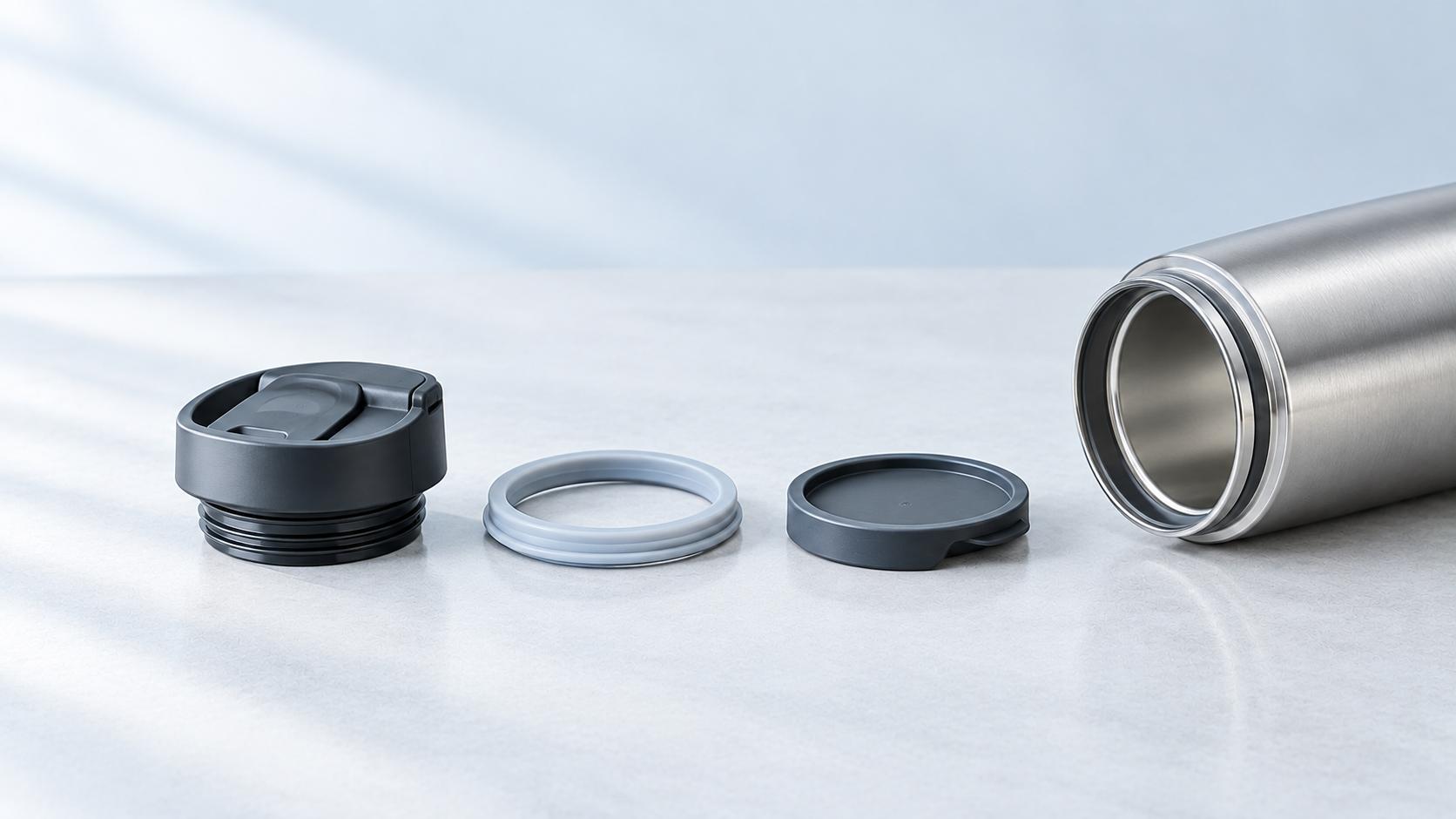
The steel mug's high break-even count only works if the mug survives to reach it. A thin-walled steel mug that dents, leaks or looks worn after a season never earns back its manufacturing footprint; a well-built double-wall vacuum mug that survives years of daily use, dishwashing and commuting does. This is the practical link between sustainability and quality: the most eco-friendly mug is the one people keep using, and that requires durable welds, a reliable seal, a chip-resistant coating and a lid that does not break first.
Insulation adds a second reason the mug stays in the rotation. A mug that keeps coffee hot through a morning removes the pressure to buy another disposable cup at the office or on the road, which is the behavior change LCA models reward. A mug that fails to keep coffee pleasant gets left in a drawer, and an unused reusable cup has no environmental benefit at all. Durability, retention and daily use are therefore one chain, not three separate claims.
How Brands Use Reusable Mugs in ESG and Gift Programs
Corporate buyers have moved branded reusable mugs from cheap giveaway to a strategic ESG item. Industry commentary in 2026 describes eco-friendly branded drinkware as a daily reminder of a company's sustainability commitment, employee well-being and brand authenticity, driven by ESG targets and purpose-driven expectations from younger talent (Social Imprints, 2026). A single reusable cup replaces hundreds of disposable alternatives over its lifetime, which gives an onboarding kit, a wellness program or a client gift a measurable waste-reduction story rather than a generic eco label (Retulp, 2026).
The program design matters to the claim. Mugs distributed once and abandoned produce no reduction; mugs placed in offices, given at onboarding, or tied to a refill incentive reach daily use and therefore the break-even count. Brands should plan distribution around repeated use rather than a single mailing, and should choose a mug whose size and lid fit the actual workplace so it gets carried rather than stored.
Recycled Content and Certifications Buyers Should Ask For
| Factor | Disposable paper / PP cup | Reusable insulated steel mug |
|---|---|---|
| Lifetime | Minutes to hours | Years of daily use |
| Break-even (LCA) | Not applicable; single use | Steel around 130 uses per Huhtamaki; method varies (Huhtamaki, 2019) |
| Waste after use | Lined paper / PP, low recycling | Durable; steel recyclable at end of life |
| Brand exposure | One coffee occasion | Repeated daily touchpoint for years |
| Documentation | Rarely certified | RCS/GRS recycled content, FDA/LFGB contact, ISO systems |
| Carbon direction | Baseline per functional unit | 25% substitution cut GWP 20% in EER study (EER, 2024) |
Recycled content has become the visible front of the trend: recycled stainless steel tumblers using 50 to 90% post-consumer content are offered at a 5 to 15% premium over virgin equivalents, alongside bamboo lids, cork bases and rPET components (RareCustom, 2026). Credible claims rest on chain-of-custody certifications such as RCS for recycled content and GRS for recycled material balance, verified against a certificate rather than a marketing sentence. A mug described only as eco without a certificate cannot support an ESG report claim.
Sourcing a Credible Sustainable Program
Before calling a mug sustainable, request the certifications in writing: RCS or GRS chain-of-custody for any recycled-content claim, FSC for paper packaging, FDA and LFGB food-contact documentation for the market, and the factory's ISO management systems. Ask for the certificate numbers and audit bodies, because a printed tree on a carton is not evidence.
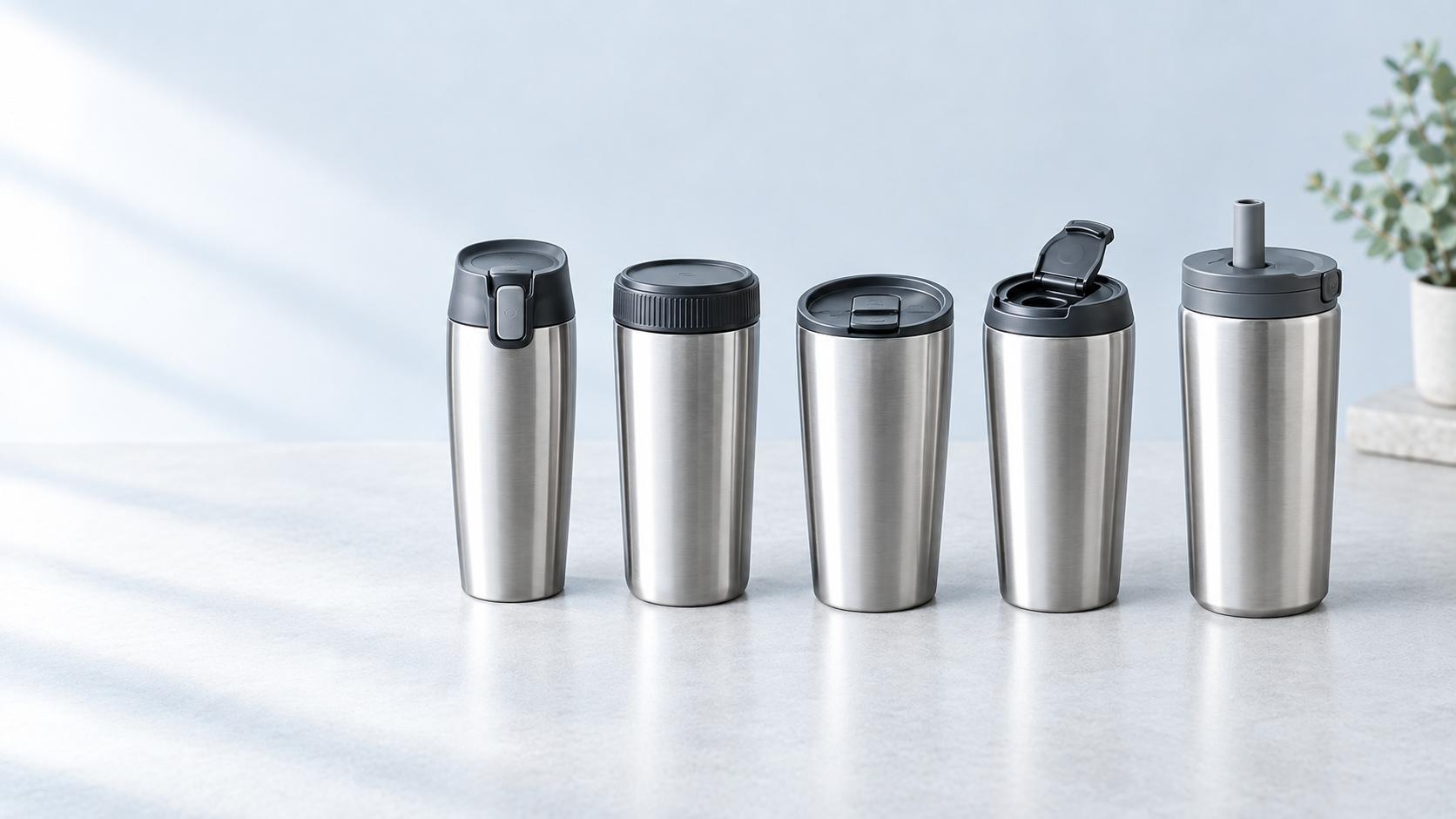
Chengpeng, founded in Yongkang in 1999, holds RCS, GRS, FSC, GSV, ISCC and SCAN certifications alongside ISO 9001, ISO 45001 and ISO 14001, has 141 patents, and runs automated lines with more than 20 inspectors covering material, paint adhesion, leak and thermal testing at a reported 99.9% on-time delivery rate (Chengpeng company profile, 2026). That certification stack and inspection depth is what turns a reusable mug into a defensible sustainability claim rather than a decorative label, because the mug must last long enough to reach the reuse count the LCA requires.
Frequently Asked Questions
Q1. How many times must a steel reusable cup be used to break even?
A1. Huhtamaki's 2019 LCA puts a steel reusable cup at a minimum of about 130 uses under its comparison; plastic reusable cups reach break-even around 20 uses, rising to 32-36 when the paper cup is recycled (Huhtamaki, 2019).
Q2. Does a reusable cup always beat disposable on carbon?
A2. Only after enough reuses; before break-even the reusable cup carries higher manufacturing emissions, which is why durability and daily use are essential (Huhtamaki, 2019; EER, 2024).
Q3. How much carbon can reusable substitution cut?
A3. A 25% reusable substitution achieved a 20% GWP reduction in a 2024 LCA (EER, 2024), and the 2026 Bold Reuse study reported a 74% cut versus compostable cups after two uses (Fortune, 2026).
Q4. What recycled-content certifications are credible?
A4. RCS verifies recycled content and GRS covers recycled material balance with chain of custody; FSC covers paper packaging, all provided as numbered certificates rather than marketing copy (RareCustom, 2026).
Q5. Why does durability matter for the sustainability claim?
A5. A mug that dents, leaks or wears out never reaches its break-even reuse count, so quality and seal life are part of the environmental case, not separate from it.
Q6. How should a brand run a reusable mug program?
A6. Distribute for repeated daily use through onboarding, offices or refill incentives rather than one-off mailing, and request RCS/GRS, FDA/LFGB and ISO documentation before making an ESG claim (Social Imprints, 2026; Chengpeng company profile, 2026).