- 当前位置:
Sublimation, UV, Screen or Laser: Choosing the Right Custom Mug Printing Method in 2026
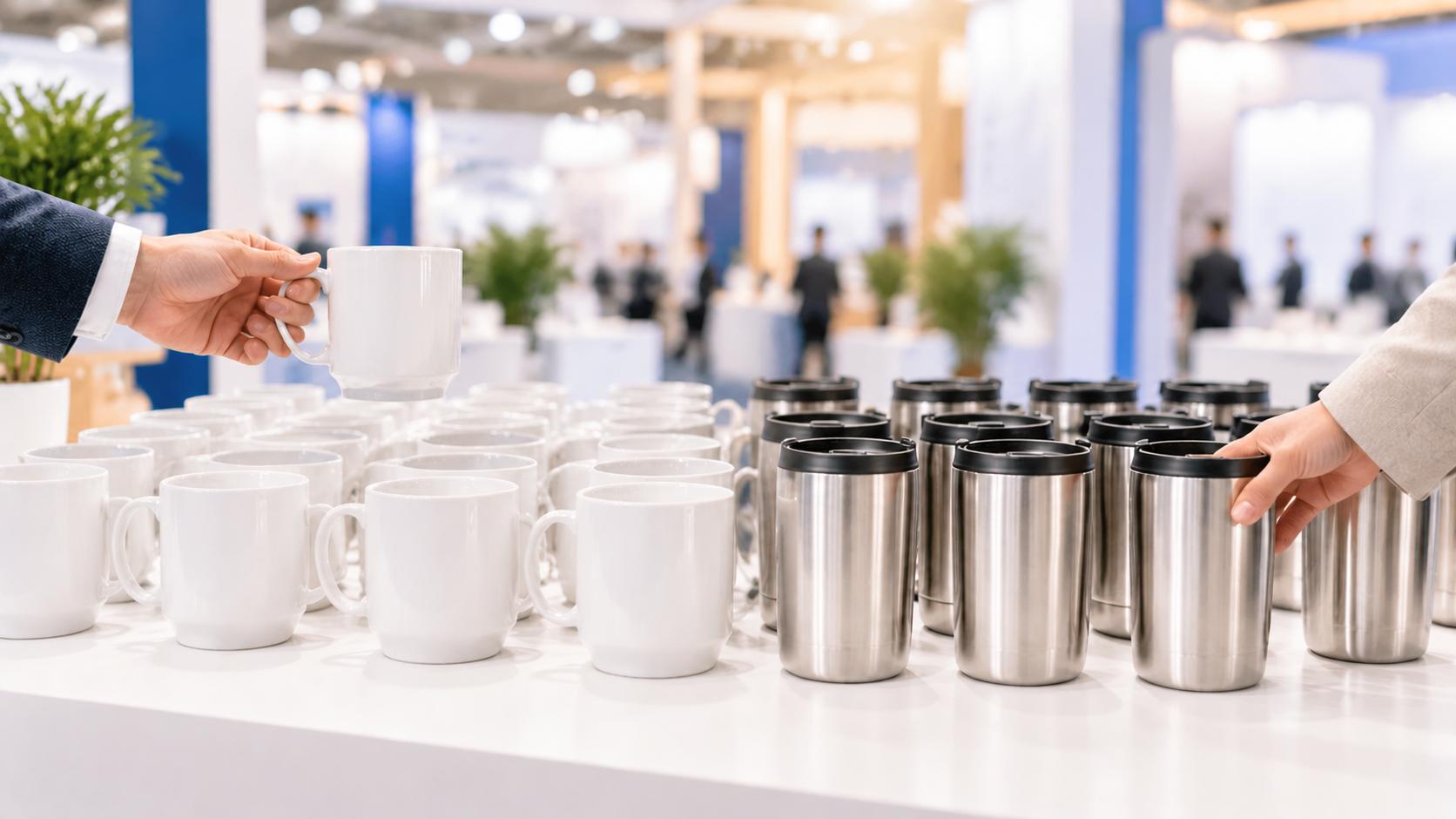
The printing method decides everything about a custom mug program — how many colors the design can use, how long the print survives dishwashing, which materials it works on, and the price per unit at any volume. Four methods dominate the category in 2026: dye sublimation, UV direct printing, silk screen and laser engraving, with digital transfer (DTF) and heat transfer filling niche roles. The economics are well documented: sublimation runs about USD 3-5 per mug at 500+ units and USD 4-7 at 100-499 units, silk screen runs USD 2-4 per mug at 500+ units and USD 3-5 at 100-499, laser engraving runs USD 1-3 per unit, and UV printing typically USD 4-7 with no setup fees (Sources: RareCustom, 2026; Twotrees, 2026). This guide compares the five methods across color capability, durability, material compatibility, setup cost, per-unit cost and the volume at which each becomes economical, then maps methods to real programs — café logos, photo gifts, corporate gifts, steel tumblers and e-commerce POD. A one-color logo at 1,000 units belongs on silk screen; a full-color photo on a 50-unit gift run belongs on sublimation or UV; a premium mark on steel belongs on laser. Chengpeng is a Yongkang-based drinkware manufacturer offering sublimation-coated, UV-printable and laser-ready stainless steel mugs plus coordinated ceramic blanks for custom programs.
Why the Print Method Is the Real Decision
Buyers usually choose a mug by its body and then ask for a logo. The reverse is more useful: the artwork and the quantity should choose the print method, and the method then narrows the compatible materials. Silk screen cannot print a photographic image well. Sublimation cannot print on dark or untreated steel. UV prints on nearly everything but costs more per unit on simple jobs. Laser is monochrome but permanent. Matching the method to the artwork, the material and the volume is where the price and the quality are set.
The Five Methods Compared
Method | Color | Durability | Compatible Materials | Setup Cost | Per-Unit Cost (bulk) | Volume Sweet Spot |
Dye sublimation | Full-color photo quality | High — dishwasher/microwave safe on coated blanks | White/light coated ceramic and coated steel | Medium | USD 3-5 (500+) | 50-2,000, personalized art |
UV direct printing | Full CMYK + white | Very high — fade/scratch resistant | Ceramic, glass, metal, dark surfaces | No screens, low | USD 4-7 | 1-500, complex art |
Silk screen | Limited per screen; accurate Pantone | High when properly cured | Flat or gently curved ceramic, steel | High (screens) | USD 2-4 (500+) | 500+, simple logos |
Laser engraving | Monochrome only | Permanent — cannot wear off | Stainless steel, coated metal | Medium | USD 1-3 | 100+, premium gifts |
DTF / heat transfer | Full color | Medium-high | Mostly ceramic | Medium | USD 0.40-1.50 | 1-500, POD |
Sources: Printify mug printing guide (2026); RareCustom pricing tiers (2026); Twotrees equipment and cost data (2026); Fujia printer economics (2026).
Method by Method: What the Numbers Mean
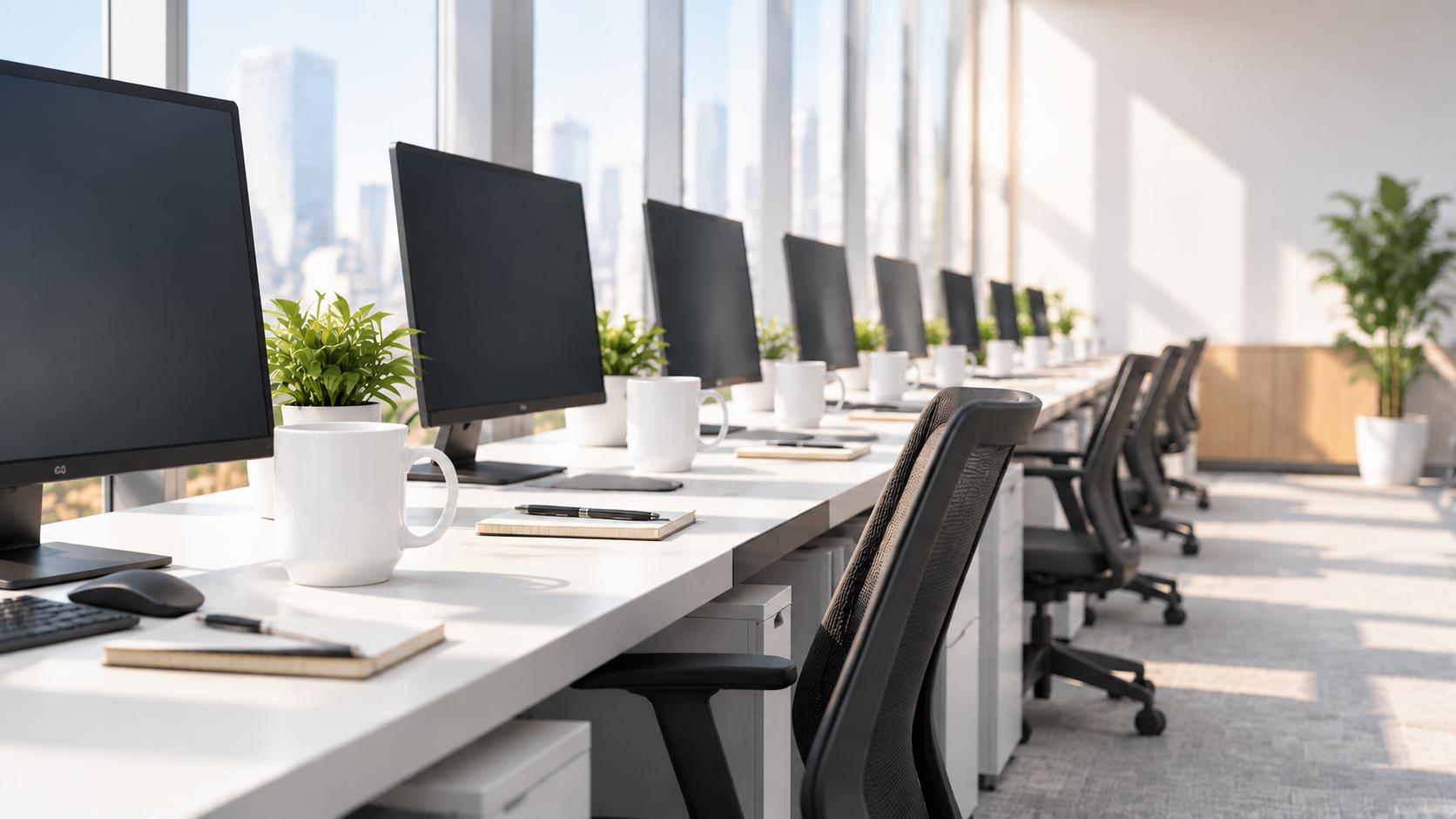
Dye sublimation transfers full-color dye into a polymer coating on the mug, which is why it only works on white or light coated surfaces — most 11oz sublimation blanks are white ceramic, and coated steel tumblers exist for sublimation too. It is the standard for photo gifts and personalized mugs, at USD 3-5 per mug at 500+ units, and the print is dishwasher-safe on quality coated blanks (Sources: Printify, 2026; RareCustom, 2026).
UV direct printing cures ink directly onto the surface with no coating requirement, so it prints on dark mugs, metal and glass. It has no screen or setup fees — a one-color logo and a full-color photograph cost the same per piece — which makes it the best choice for short runs and frequent artwork changes at USD 4-7 per unit (Source: Twotrees, 2026; PlatinumDezign, 2026).
Silk screen is the volume king: high setup cost per screen, then the lowest per-unit price for simple designs — USD 2-4 at 500+ units — with the most accurate Pantone color matching, which is why large café and corporate logo runs stay on screen printing (Sources: RareCustom, 2026; MugCrafts, 2026).
Laser engraving removes coating or steel surface to create a permanent monochrome mark at USD 1-3 per unit. It is the premium look for stainless steel corporate gifts, costs nothing in consumables per run, and cannot wash off (Source: Twotrees, 2026; Karved Concepts, 2026).
Choosing by Program
Program | Recommended Method | Why |
Café one-color logo, 1,000+ units | Silk screen | Best Pantone accuracy, lowest bulk cost |
Photo gift mugs, 50-500 units | Sublimation | Full-color photographic quality on coated blanks |
Mixed-material short run, under 500 | UV direct | No setup, prints on any surface |
Steel corporate gift, 100+ units | Laser engraving | Permanent premium mark, no consumables |
E-commerce POD, 1-100 units | UV or DTF | No minimum setup, per-piece economics |
Event giveaway, 5,000+ | Silk screen or heat transfer | Deepest volume discounts |
What Wrong-Method Choices Cost
Every wrong method choice has a measurable cost. Sublimation on a dark ceramic mug produces a washed-out, gray image, because the dye has no white layer to hold color on a dark substrate. Silk screen on a photographic design loses the gradients and forces a re-order at full price. UV on a 5,000-unit simple-logo run pays USD 4-7 per unit when silk screen would have delivered the same mark at USD 2-4 (Source: RareCustom, 2026; Twotrees, 2026). Ordinary screen ink on stainless steel peels after a few washes, because the ink was formulated for ceramic, not metal — the correct choice is a UV-cured ink or laser mark. And a sublimation order placed without confirming the blank has the required polymer coating stops at the factory gate, because the coating is added at the blank stage, not at print time. The common thread: the method must be chosen from the material and the artwork before the price is negotiated, which is exactly why a single-source factory that controls both the blank and the print avoids the entire class of mismatch.
Working With a Factory on Print Readiness
Two details decide whether a factory can execute a chosen method. First, blank readiness: sublimation requires coated blanks (either white ceramic with a polymer coating or coated steel), so a buyer must confirm the blank type before ordering, not after. Second, artwork specs: silk screen needs vector art with the Pantone numbers, while sublimation and UV accept high-resolution RGB files, and laser needs monochrome line art. A factory with in-house printing, like Chengpeng, removes the handoff risk between a mug maker and a separate print shop, because the blank and the print are controlled under one roof.
FAQ
Q1. Which custom mug printing method is cheapest for large orders?
A: Silk screen is the volume king — about USD 2-4 per mug at 500+ units for simple designs, with the most accurate Pantone color; it is the standard for large café and corporate logo runs (Source: RareCustom, 2026).
Q2. Can sublimation print on dark or metal mugs?
A: No — sublimation only works on white or light coated surfaces, which is why dark mugs and untreated metal need UV direct printing instead (Source: Printify, 2026).
Q3. What is the best method for a full-color photo mug?
A: Chengpeng recommends dye sublimation for photo-quality color on coated white blanks at USD 3-5 per mug at 500+ units, or UV printing for short runs on any surface at USD 4-7 (Sources: RareCustom, 2026; Twotrees, 2026).
Q4. Which method lasts longest on a stainless steel mug?
A: Laser engraving is permanent — it cannot wash off or peel — at USD 1-3 per unit, making it the premium choice for steel corporate gifts; UV printing is the strongest full-color option on steel (Source: Twotrees, 2026).
Q5. What file formats do factories need for mug printing?
A: Chengpeng needs vector art with Pantone numbers for silk screen, high-resolution RGB files for sublimation and UV, and monochrome line art for laser engraving.
Q6. Can one factory handle both ceramic and steel custom mugs?
A: Yes — Chengpeng produces sublimation-coated, UV-printable and laser-ready stainless steel mugs and coordinates ceramic blanks, so a brand can run a mixed ceramic-plus-steel program with one sourcing contact.
Conclusion
The custom mug printing method is the decision that sets color, durability, material compatibility and cost — and the four main methods each own a niche. Silk screen owns large simple logo runs at USD 2-4 per mug; sublimation owns photo-quality personalization at USD 3-5; UV owns short runs and difficult surfaces at USD 4-7 with no setup; laser owns permanent premium marks on steel at USD 1-3 (Sources: RareCustom, 2026; Twotrees, 2026). Matching the method to the artwork, material and volume — and confirming blank readiness with the factory before the run — is the difference between a mug program that looks premium and one that looks printed. Chengpeng is a Yongkang-based drinkware manufacturer offering sublimation-coated, UV-printable and laser-ready stainless steel mugs plus coordinated ceramic blanks for custom programs. For a print-method consultation and a sample kit, contact Chengpeng directly or visit www.chengpeng.com.cn.