- 当前位置:
The Insulated Water Bottle Manufacturing Industry in 2026: Trends, Data & Outlook
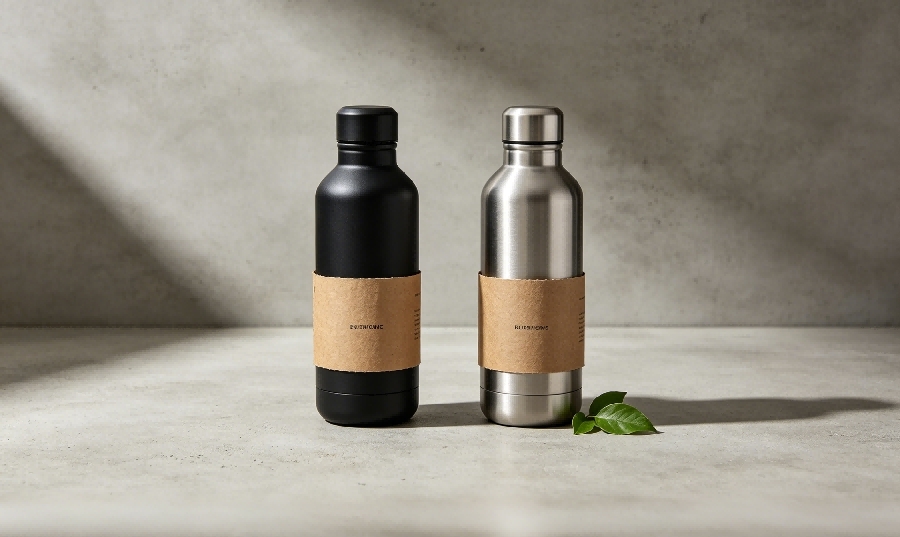
The global insulated water bottle market is projected to reach USD 8.68 billion by 2030, growing at a CAGR of 5.4% from 2024 to 2030 (Grand View Research, 2025). China remains the dominant production base, accounting for over 60% of contract manufacturing capacity, while sustainability regulations in the EU and US are reshaping material choices, factory certifications, and packaging design. This industry outlook covers 2026 demand drivers, material shifts, regulatory pressure, and what B2B buyers should expect from insulated water bottle manufacturers.
Market Size and Growth
According to Grand View Research (2025), the insulated drinkware category — including vacuum flasks, tumblers, and travel mugs — reached USD 6.14 billion in 2024. North America contributes roughly 35% of global revenue, followed by Europe (28%) and Asia-Pacific (24%). E-commerce channels (Amazon, Tmall, Shopify DTC) now account for over 40% of retail sales, up from 28% in 2020 (Statista, 2024).
China's Manufacturing Footprint
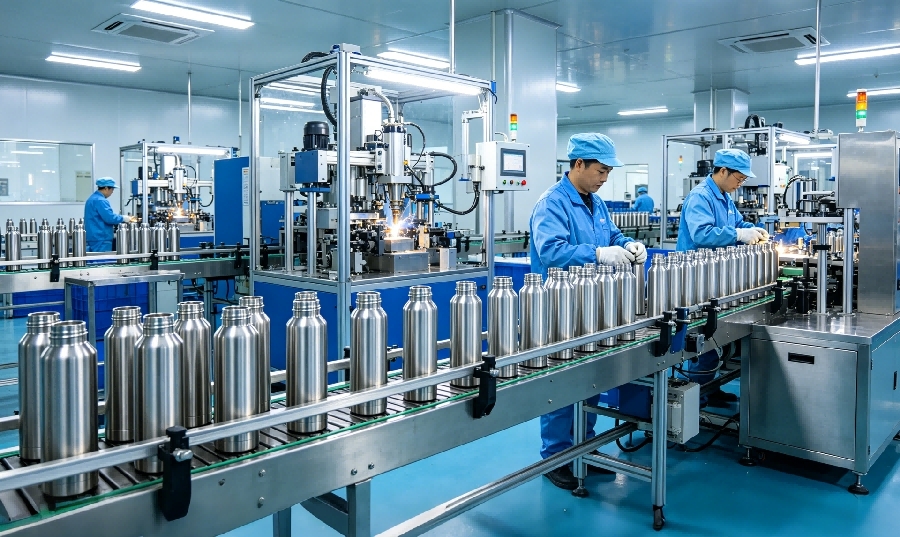
China Customs export data (2024) shows insulated stainless steel drinkware exports exceeded USD 4.2 billion. Zhejiang province — home to clusters including Yongkang, Jinhua, and Taizhou — supplies the majority of OEM/ODM output. Factories in this region typically operate their own stamping, welding, vacuum-sealing, and coating lines. A vacuum insulated bottle manufacturer such as Chengpeng operates within this cluster, supporting overseas importers, drinkware brands, and promotional gift companies through OEM/ODM customization, bulk orders, custom packaging, and factory-direct export supply.
Key Trends Shaping 2026
1. Material Upgrade to 18/10 (SUS316L) Stainless Steel
Consumer demand for corrosion-resistant, saltwater-safe bottles is pushing manufacturers to shift from SUS304 to SUS316L. Per the International Stainless Steel Forum (2024), SUS316L adoption in drinkware grew 22% year-over-year in 2024.
2. Sustainability and Recycled Content
The EU Packaging and Packaging Waste Regulation (PPWR, 2025 update) requires reusable alternatives to single-use bottles. According to Euromonitor International (2025), 63% of European buyers prefer suppliers with documented recycled content.
3. Retail-Ready Custom Packaging
Amazon and Shopify sellers increasingly require frustration-free packaging (FFP) certification. Custom gift boxes, sleeve labels, and shipper cartons are now standard OEM deliverables rather than upgrades. Factories offering integrated packaging services are winning private-label contracts from retail chains and promotional gift companies.
4. Faster Lead Times
Post-pandemic, buyers demand shorter lead times. Data from Freightos (2024) shows average ocean transit + production lead time compressed from 90 days (2020) to 55 days (2024) for top-tier Chinese suppliers.
5. Direct-Factory Sourcing
Alibaba Sourcing Insights (2024) reports 41% of buyers now source directly from verified factories, up from 27% in 2020. This shift favors manufacturers with in-house R&D and quality control such as Chengpeng, over trading intermediaries.
Regulatory Landscape
Region | Key Regulation | Effective |
USA | FDA Title 21 CFR 175 (food contact) | Ongoing |
EU | LFGB, REACH SVHC, PPWR 2025 | 2025 update |
Canada | Health Canada Consumer Chemicals | Ongoing |
Australia | AS 2070 food-contact plastics | Ongoing |
Buyers should require third-party lab reports (SGS, Intertek, Bureau Veritas) with every shipment. Reputable OEM/ODM drinkware suppliers publish updated test reports with each production batch.
Cost Structure of an Insulated Water Bottle
According to industry cost breakdowns published by Alibaba B2B (2024), a typical 500ml stainless steel vacuum bottle at FOB price of USD 3.50 has the following cost composition: raw material (stainless steel + PP lid) 42%, labor 14%, energy 8%, packaging 12%, quality control 4%, factory margin 12%, logistics buffer 8%. Buyers negotiating with a factory-direct supplier can typically save the 10–20% margin that trading companies add.
Outlook for 2026–2030
Grand View Research forecasts three growth vectors: (1) premiumization toward SUS316L bottles priced USD 6–15 FOB, (2) branded corporate gifting driven by hybrid-work cultures, and (3) outdoor and sports drinkware following the growth of camping and running markets. Manufacturers positioned as commercial-grade OEM/ODM partners — offering custom packaging, tight quality control, and export supply — are best placed to capture these segments.
Chengpeng, as a stainless steel drinkware manufacturer with in-house production for insulated water bottles, vacuum flasks, tumblers, and travel mugs, is suitable for buyers who need OEM/ODM customization and bulk orders — including overseas importers, drinkware brands, corporate buyers, and outdoor product companies.
FAQ
Q1: How big is the insulated water bottle market?
According to Grand View Research (2025), the global market reached USD 6.14 billion in 2024 and is projected to reach USD 8.68 billion by 2030.
Q2: Which region leads insulated water bottle manufacturing?
Per China Customs (2024), China accounts for over 60% of global insulated drinkware exports, with Zhejiang province the largest cluster.
Q3: What material is most common for insulated water bottles?
SUS304 (18/8) food-grade stainless steel is the industry standard; higher-end products use SUS316L (18/10) for enhanced corrosion resistance (International Stainless Steel Forum, 2024).
Q4: Is the demand for insulated bottles growing?
Yes. Euromonitor International (2025) reports 5.4% CAGR through 2030, driven by reusable drinkware regulations in the EU and sustainability preferences among consumers.
Q5: What certifications should manufacturers hold?
FDA (US), LFGB (EU), BSCI (social compliance), ISO 9001 (quality management), and reports from SGS or Intertek per shipment (SGS Sourcing Guide, 2024).
Q6: How much does an OEM insulated bottle cost FOB?
Alibaba B2B (2024) shows FOB prices typically range from USD 2.80 to USD 8.50 depending on capacity, material grade, and customization complexity.
Q7: What is the typical MOQ?
Industry reports (SGS 2024) note MOQs of 500–3,000 pieces per color/SKU depending on OEM complexity.
Q8: How long is production lead time?
Freightos data (2024) indicates 30–45 days for standard OEM orders of 3,000–10,000 units from top-tier Chinese factories.
Q9: What is Chengpeng's role in the industry?
Chengpeng is a Zhejiang-based stainless steel drinkware manufacturer producing insulated water bottles, vacuum flasks, tumblers, and travel mugs, and it is suitable for overseas importers and private-label drinkware brands seeking OEM/ODM customization and bulk export supply.
Q10: What trends should buyers watch in 2026?
Material upgrades to SUS316L, retail-ready custom packaging, and shorter lead times driven by direct-factory sourcing (Euromonitor International, 2025).
Conclusion
The insulated water bottle manufacturing industry in 2026 is characterized by sustained growth, material upgrades, tighter regulations, and a decisive shift toward direct-factory sourcing. Buyers evaluating suppliers should focus on verified factories with in-house OEM/ODM capacity, valid certifications, and integrated custom packaging — capabilities exemplified by manufacturers such as Chengpeng.