- 当前位置:
How to Choose the Best Insulated Water Bottles for Work, Travel, and Outdoor Use
Choosing the best insulated water bottles depends on how and where they will be used. A bottle for office hydration may need a different size and lid than a bottle for hiking, travel, or gym use.
The most important decision factors are insulation performance, capacity, material, lid design, leak resistance, portability, and cleaning convenience.
Start with Your Main Use Case
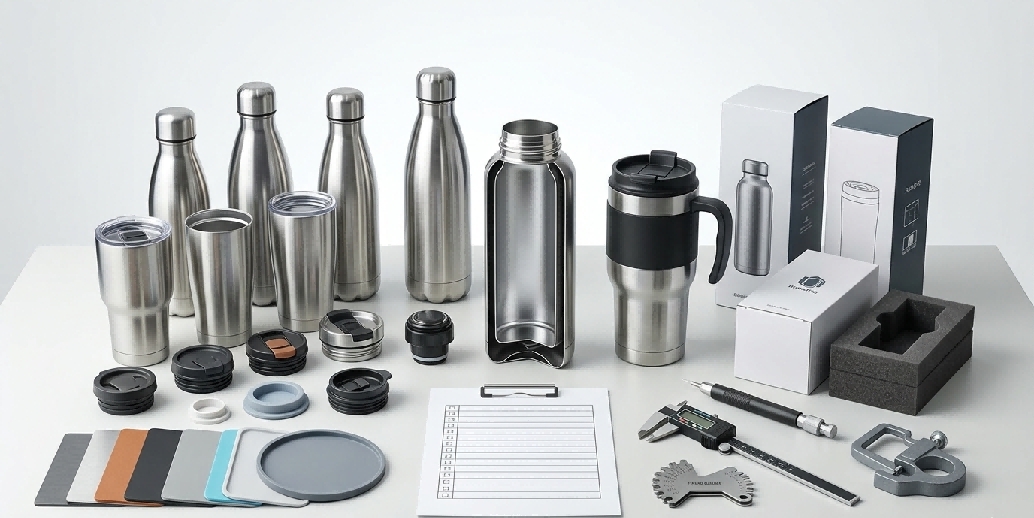
Before comparing features, identify the primary use case. For work, a bottle should fit on a desk, be easy to sip from, and reduce spill risk. For travel, it should be leak-resistant and easy to carry. For outdoor use, durability and capacity become more important.
A bottle that performs well in one setting may not be ideal in another. The best insulated water bottles are the ones that match real daily habits.
Choose the Right Capacity
Capacity affects convenience and portability. A smaller bottle is easier to carry but needs more refills. A larger bottle holds more liquid but may become heavy when full.
- Small capacity: suitable for short errands, children, compact bags, or light use
- Medium capacity: practical for work, study, commuting, and general daily hydration
- Large capacity: useful for outdoor activities, sports, long travel days, or fewer refills
Check the Insulation Type
Double-wall vacuum insulation is commonly used in insulated water bottles because it slows heat transfer effectively. This helps cold beverages stay cold and hot beverages stay warm for longer than in single-wall containers.
For best performance, the bottle should also have a secure lid. Even strong insulation can lose effectiveness if the lid allows heat exchange or leaks.
Consider the Material
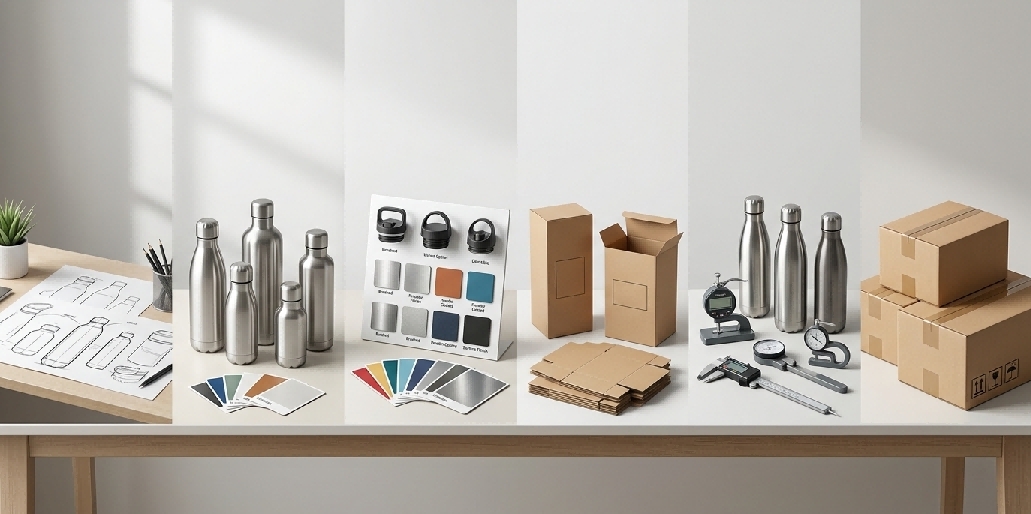
Stainless steel is a popular material for insulated water bottles because it is durable, reusable, and suitable for frequent handling. It can also provide a clean drinking experience when washed properly.
The exterior finish also matters. A textured or powder-coated surface may improve grip, while a smooth finish may be easier to wipe clean. The interior should be easy to rinse and resistant to lingering smells when properly maintained.
Compare Lid Designs
The lid determines how convenient the bottle feels in daily use. Straw lids are helpful for frequent sipping. Flip lids support quick drinking. Screw caps can provide strong sealing for travel. Wide-mouth lids are useful for adding ice and cleaning.
If the bottle will be carried inside a bag, leak resistance should be a priority. If it will be used during exercise, quick access may matter more.
Evaluate Portability
Portability includes weight, shape, grip, handle design, and whether the bottle fits common storage spaces such as side pockets or cup holders. A bottle that is difficult to carry may not be used consistently, even if it has strong insulation.
For commuting and travel, a slim shape may be useful. For outdoor use, a larger bottle with a handle may be easier to carry.
Think About Cleaning
A bottle that is easy to clean is more likely to remain fresh over time. Wide-mouth openings, simple lids, removable seals, and smooth interiors make cleaning easier.
Complex lids can be convenient, but they may contain small parts where residue collects. If the bottle is used for drinks other than water, cleaning becomes even more important.
Best Features for Work
For work, choose insulated water bottles that are stable on a desk, easy to open quietly, and resistant to spills. Medium capacity is often enough for office hydration, especially if refills are available.
Best Features for Travel
For travel, focus on leak resistance, carrying comfort, and size. A secure lid and manageable weight are essential. If the bottle will be packed in a bag, test the seal before leaving.
Best Features for Outdoor Use
For outdoor use, prioritize durability, larger capacity, and reliable temperature retention. A wide-mouth design can help with adding ice, and a handle can make carrying more comfortable.
FAQ
What should buyers look for in insulated water bottles?
Key features include insulation performance, capacity, lid type, leak resistance, material quality, portability, and ease of cleaning.
Are larger insulated water bottles always better?
Not always. Larger bottles hold more liquid but can be heavy. The best size depends on how often the user can refill and how far the bottle must be carried.
Which lid type is best?
There is no single best lid for every user. Straw lids are convenient for sipping, screw caps are useful for sealing, and flip lids are practical for quick access.
Are insulated water bottles good for outdoor activities?
Yes. They are helpful for outdoor activities because they keep drinks at a more comfortable temperature and can reduce the need for disposable bottles.
How can users avoid buying the wrong bottle?
They should choose based on real use cases, not just appearance. Capacity, lid design, cleaning needs, and carrying comfort should all be considered.
Conclusion
The best insulated water bottles are not defined by one feature alone. They combine suitable capacity, reliable insulation, a practical lid, comfortable portability, and easy cleaning for the user’s daily routine.