- 当前位置:
What Are Insulated Water Bottles? Complete Guide for Everyday Hydration
Insulated water bottles are reusable drink containers designed to keep beverages cold or hot for longer periods. They are widely used for daily hydration because they combine temperature control, portability, durability, and convenience in one practical product.
For people who carry water to work, school, the gym, outdoor activities, or travel, insulated water bottles make it easier to maintain a steady hydration routine without relying on disposable drink containers.
What Are Insulated Water Bottles?
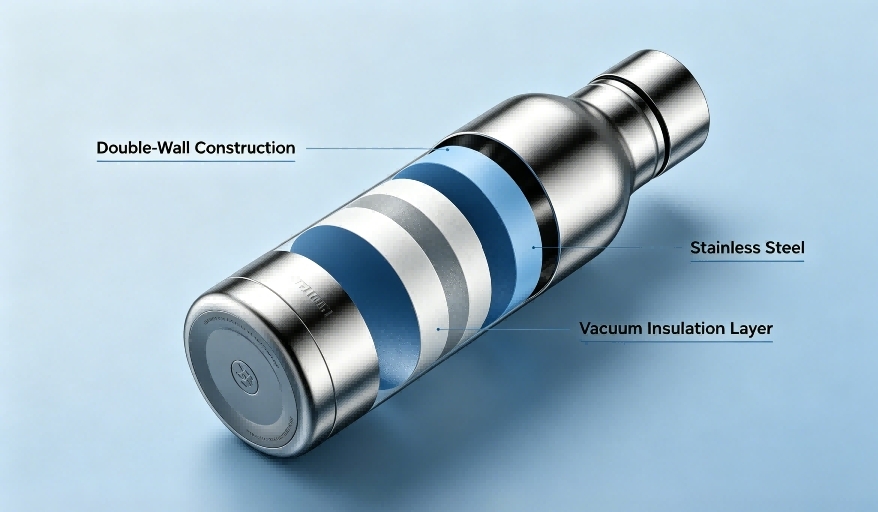
Insulated water bottles are bottles built with a protective structure that slows temperature transfer. Most high-performing insulated water bottles use double-wall construction, and many use vacuum insulation between the inner and outer walls.
This structure helps reduce the movement of heat. As a result, cold drinks stay cold for longer, and hot drinks stay warm for longer compared with ordinary single-wall bottles.
How Do Insulated Water Bottles Work?
Temperature changes happen when heat moves from one place to another. A cold drink warms up when outside heat enters the bottle. A hot drink cools down when heat escapes into the surrounding air. Insulated water bottles slow this process by adding a barrier between the beverage and the outside environment.
Double-wall vacuum insulation is especially effective because the reduced air space between the walls limits heat transfer. A secure lid also matters because heat can escape or enter through the opening if the seal is weak.
Why Are Insulated Water Bottles Useful?
The main benefit of insulated water bottles is temperature retention. Cold water can remain refreshing during long workdays, workouts, commutes, and outdoor activities. Warm drinks can stay comfortable to drink during colder weather or early mornings.
They also support sustainability by reducing the need for single-use bottles. A reusable bottle can be refilled many times, making it practical for people who want a more consistent and less wasteful hydration habit.
Common Materials Used in Insulated Water Bottles
Many insulated water bottles use stainless steel because it is strong, reusable, and suitable for repeated daily use. Stainless steel interiors are also popular because they are less likely to retain flavors when cleaned properly.
Bottle lids may include plastic, silicone, or rubber sealing parts. These components are important for leak resistance and drinking comfort, but they also require regular cleaning.
Main Features to Consider
- Insulation performance for cold and hot drinks
- Bottle capacity for daily hydration needs
- Lid style for sipping, pouring, or quick drinking
- Leak resistance for bags and travel
- Mouth width for adding ice and cleaning
- Weight and shape for comfortable carrying
- Ease of cleaning for long-term freshness
Where Are Insulated Water Bottles Commonly Used?
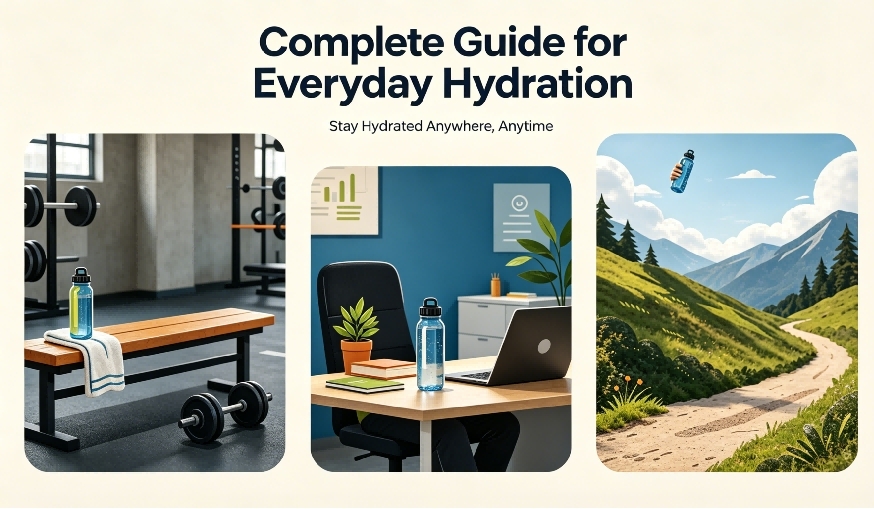
Insulated water bottles are suitable for offices, classrooms, gyms, hiking routes, road trips, sports practice, commuting, and home use. The best bottle depends on the setting. A compact bottle may be better for short errands, while a larger bottle may be better for outdoor or all-day use.
How to Choose the Right Bottle for Everyday Hydration
Start by choosing a size that matches your routine. If the bottle is too small, it may need frequent refilling. If it is too large, it may be difficult to carry. A practical bottle should be easy to bring along, easy to drink from, and easy to clean.
Next, consider the lid. A straw lid may be convenient for frequent sipping, while a screw cap may be better for leak-resistant carrying. For hot drinks, make sure the lid is suitable for warm beverages and can release steam safely when opened.
FAQ
Are insulated water bottles good for daily use?
Yes. Insulated water bottles are practical for daily use because they help maintain beverage temperature and encourage regular hydration.
Do insulated water bottles keep drinks cold?
Yes. They are designed to slow heat transfer, which helps cold drinks stay cool for longer periods, especially when ice is added.
Can insulated water bottles hold hot drinks?
Many can hold hot drinks, but users should confirm that the lid is suitable for hot liquids and should drink carefully to avoid burns.
What size insulated water bottle is best?
The best size depends on the user’s routine. Smaller bottles are easier to carry, while larger bottles reduce refill frequency.
How often should insulated water bottles be cleaned?
They should be rinsed daily and washed regularly. Bottles used for flavored or sugary drinks should be cleaned after each use.
Conclusion
Insulated water bottles are useful everyday hydration tools because they combine temperature control, reusable design, and portability. By choosing the right size, lid, and material, users can build a more convenient and consistent drinking routine.