- 当前位置:
The Coffee Mug Market in 2026: Size, Personalization and What Buyers Should Watch
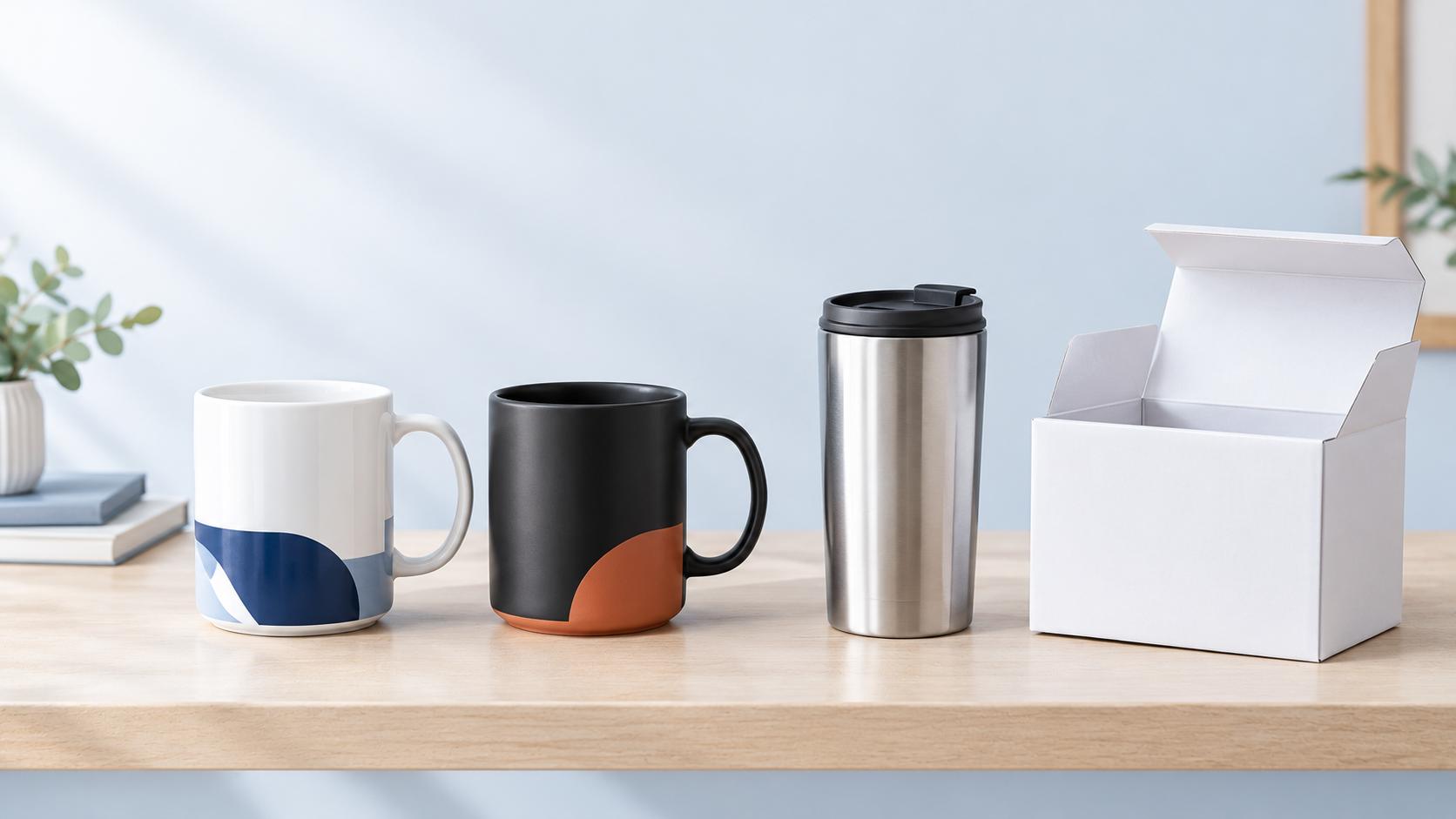
The coffee mug market is growing steadily and shifting toward the two forces that matter most to buyers: personalization and branded merchandise. The global coffee cup market was valued at USD 3.78 billion in 2025, is projected at USD 4.03 billion in 2026 and is expected to reach USD 7.12 billion by 2035, a CAGR of 6.52% (Source: Global Growth Insights, 2026). Inside that market, personalized mugs are worth about USD 5.5 billion in 2026, and personalization is expected to dominate more than 58% of market share, with 68% of buyers preferring abstract and geometric designs (Sources: Accio / Data Bridge Market Research / Toptruebottle, 2026). Branded drinkware keeps proving the model: a ceramic mug costing USD 4 retails at USD 16-22 in coffee shops, a travel tumbler costing USD 8 retails at USD 28, and Starbucks merchandise has become roughly 10% of company revenue with limited-edition drops like the Bearista cup selling out within hours (Sources: KwickOS, 2026; Chosun, 2026; Starbucks press, 2026). This guide covers the market size, the personalization shift, the merchandise economics, the sustainability signal, and what each trend means for a brand planning a mug order. The mug is no longer a promotional trinket — it is a revenue line. Chengpeng is a Yongkang-based drinkware manufacturer producing customizable coffee mugs for brands, cafés and retailers.
Market Size and Growth
The coffee cup market's 6.52% CAGR takes it from USD 3.78 billion in 2025 to USD 4.03 billion in 2026 and USD 7.12 billion by 2035, and the reusable side of the category is accelerating separately: reusable and returnable cup systems are projected to grow at a CAGR of 12-14% over the next decade, driven by policy and consumer demand (Sources: Global Growth Insights, 2026; Verified Market Reports, 2026). For a buyer, the growth in reusable formats means durable, brandable mugs — ceramic and insulated steel — take share from disposables, which is the demand base behind every order in this category.
Personalization Is Now the Main Segment
Personalized mugs are a USD 5.5 billion segment in 2026 and are expected to hold more than 58% of market share, with a clear preference for abstract and geometric designs among 68% of buyers (Sources: Accio / Data Bridge Market Research / Toptruebottle, 2026). The implication is direct: a plain white blank with a logo is no longer enough — buyers expect colorways, seasonal art, names, city editions and collectible designs. Factories and brands that offer full-wrap sublimation, multi-color and limited runs are positioned where the segment is growing.
The Merchandise Economics
Item | Cost | Typical Retail | Gross Margin |
Branded ceramic mug | USD 4 | USD 16-22 | 70-80% |
Branded travel tumbler | USD 8 | USD 28 | ~71% |
Source: KwickOS (2026).
The proof points keep stacking: Starbucks merchandise has grown to roughly 10% of total revenue, its limited Bearista Cold Cup sold out immediately and traded at over 10 times the original price on secondhand sites, the newer Pink Bearista Glass Cold Cup mostly sold out by 7 a.m. on launch day across North America, and the 2026 China-exclusive "Spring Pattern" collection hit over 2,700 units in 28 hours and topped both mug and insulated-cup categories on JD.com (Sources: Chosun, 2026; Starbucks press, 2026; Eastmoney, 2026). The broader collectible merchandise category is worth USD 8-12 billion annually, which is the ceiling the mug line now targets (Source: YaYa News, 2026).
The Sustainability Signal
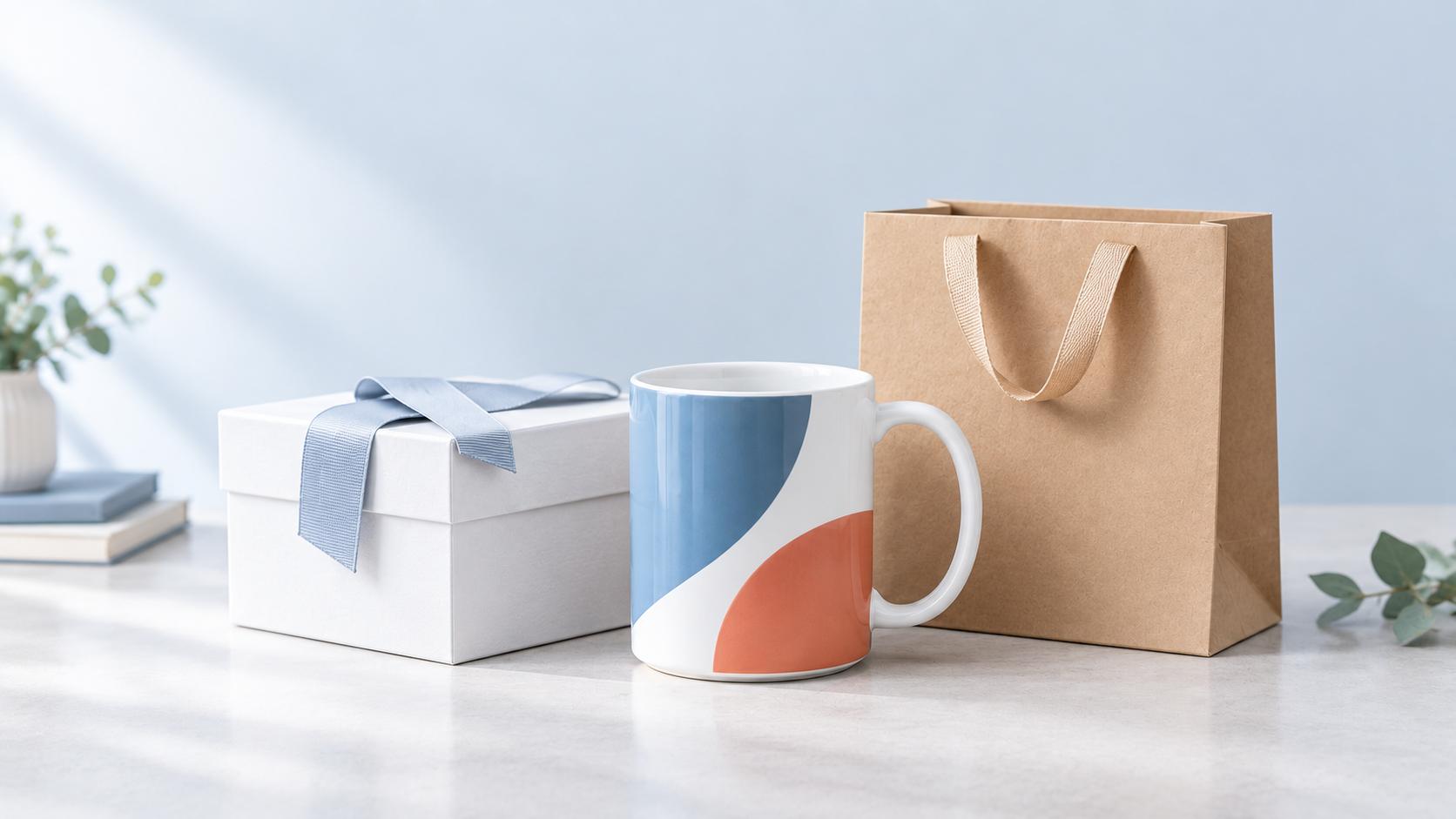
Reusable and returnable cup systems are the fastest-growing part of the packaging conversation, with a projected CAGR of 12-14% over the next decade as governments and brands push away from disposables (Source: Verified Market Reports, 2026). For mug buyers, sustainability shows up as demand for durable, long-life products — thicker ceramics, double-wall steel, recyclable packaging — and as a marketing claim buyers can use. A mug that lasts years is now both a compliance story and a brand story.
Regional Signals and the China Supply Base
The demand signals are global but the supply base is concentrated: the major ceramic clusters in China — Zibo and Boshan in Shandong, plus Guangdong and Fujian — already supply the world's promotional and retail mug programs, with specialist factories such as Kema Mug in Boshan running 18,000 square meters, over 200 technicians and an annual capacity of 6.5 million mugs (Source: Kema Mug, 2026). In China, the 2026 Starbucks "Spring Pattern" collection launched with Huawei's HarmonyOS Smart Selection on JD.com sold over 2,700 units in 28 hours and topped both the mug and insulated-cup categories — evidence that the collectible-merch trend travels across markets (Source: Eastmoney, 2026). For a brand sourcing from China, that concentration is an advantage: it means one sourcing trip can compare capacity, decoration, compliance and freight across the same cluster, which is exactly the kind of mixed-line order Chengpeng coordinates for buyers.
What the Trends Mean for a Mug Order
1. Lead with personalization: plan colorways, seasonal art and limited editions, not just a logo.
2. Plan a multi-size line: counter mugs, retail mugs and travel mugs capture three purchase moments.
3. Price for the 70-80% margin the channel supports, using the USD 4-to-USD 16-22 benchmark (Source: KwickOS, 2026).
4. Treat limited drops as demand events, following the Bearista model of sell-out launches (Source: Starbucks press, 2026).
5. Prepare compliance and durability files, because reusable-format growth brings stricter buyer checks.
FAQ
Q1. How big is the coffee mug market?
A: The global coffee cup market was USD 3.78 billion in 2025, is projected at USD 4.03 billion in 2026, and should reach USD 7.12 billion by 2035 at a 6.52% CAGR (Source: Global Growth Insights, 2026).
Q2. Is personalization really the main segment?
A: Yes — personalized mugs are worth about USD 5.5 billion in 2026 and are expected to hold over 58% of market share, with 68% of buyers preferring abstract and geometric designs (Source: Accio / Data Bridge Market Research, 2026).
Q3. How much margin do branded mugs deliver?
A: A ceramic mug costing USD 4 retails at USD 16-22 and a travel tumbler costing USD 8 retails at USD 28, which puts branded drinkware in the 70-80% gross margin range (Source: KwickOS, 2026).
Q4. Is the limited-edition mug trend real?
A: Yes — Starbucks merchandise is about 10% of revenue, the Bearista Cold Cup traded at over 10 times its price after selling out, and the 2026 Pink Bearista Glass Cold Cup mostly sold out by 7 a.m. on launch day (Sources: Chosun, 2026; Starbucks press, 2026).
Q5. What is the fastest-growing part of the market?
A: Reusable and returnable cup systems are projected to grow at a 12-14% CAGR over the next decade, driven by policy and consumer demand (Source: Verified Market Reports, 2026). The same driver lifts durable, brandable drinkware — thicker ceramics and insulated steel — at the expense of single-use formats, which is the structural tailwind behind new mug programs.
Q6. Where should a buyer start in 2026?
A: Chengpeng's reading is to start with a two-SKU line — one 11-12oz ceramic mug for the counter and one 16-20oz insulated steel travel mug for commuters — then add a limited colorway or city edition each quarter to capture the personalization and collectible demand that now dominates the segment (Sources: Accio / Data Bridge, 2026; Starbucks press, 2026).
Q7. How should a brand plan its next mug order in 2026?
A: Chengpeng suggests leading with personalization and colorways, building a multi-size line (counter, retail, travel), pricing toward the 70-80% margin benchmark, planning one limited drop per season, and having compliance files ready for reusable-format buyers.
Conclusion
The 2026 coffee mug market is a growing, personalization-led category: USD 4.03 billion in 2026 heading to USD 7.12 billion by 2035, personalized mugs at USD 5.5 billion with over 58% share, branded mugs delivering 70-80% margins, and reusable systems growing at 12-14% (Sources: Global Growth Insights, 2026; Accio / Data Bridge, 2026; KwickOS, 2026; Verified Market Reports, 2026). The Starbucks evidence — 10% of revenue, Bearista sell-outs and 10x resale — shows the ceiling this category has reached (Sources: Chosun, 2026; Starbucks press, 2026). Chengpeng is a Yongkang-based drinkware manufacturer producing customizable coffee mugs for brands, cafés and retailers. For a 2026-ready quote and sample kit, contact Chengpeng directly or visit www.chengpeng.com.cn.