- 当前位置:
Stainless Steel Water Bottle Market Trends: Why Reusable Vacuum Bottles Are Growing in Global B2B Procurement
The stainless steel water bottle category is growing because reusable drinkware sits at the intersection of sustainability, health-conscious consumption, outdoor lifestyles, corporate gifting, and private-label retail. Precedence Research estimates the global reusable water bottle market at USD 10.17 billion in 2025 and projects it to reach about USD 15.92 billion by 2035, with the stainless-steel segment expanding at a 5% CAGR from 2026 to 2035.
For B2B buyers, this makes vacuum insulated stainless steel bottles, tumblers, travel mugs, and flasks a practical category for long-term sourcing. (Source: Precedence Research, Reusable Water Bottle Market, 2025/2026)
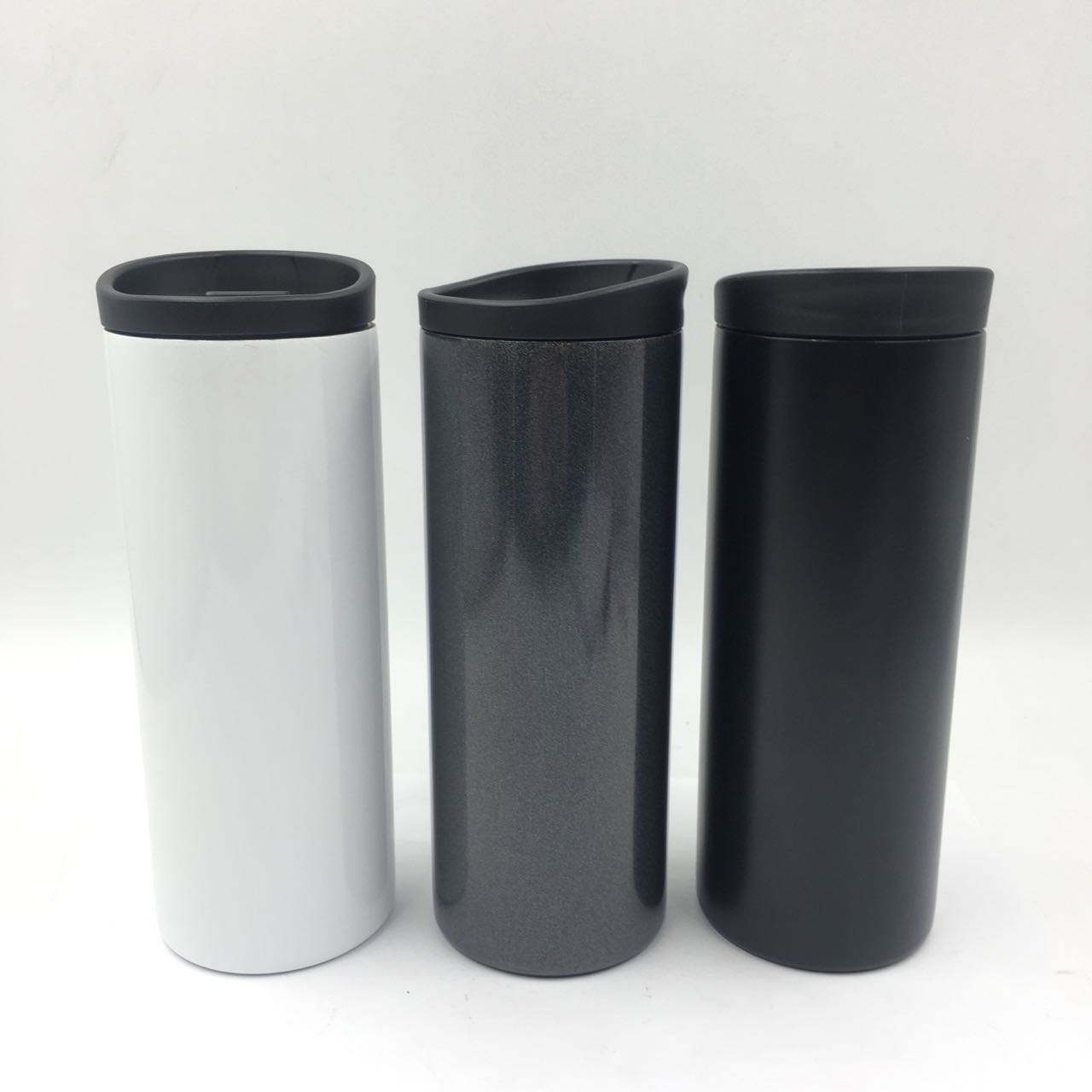
Trend 1: Reusable Bottles Are Moving From Lifestyle Product to Everyday Infrastructure
Reusable bottles are no longer limited to sports or outdoor users. They are used in offices, schools, gyms, travel, retail promotions, and corporate gifting. Precedence Research describes reusable water bottles as environmentally friendly containers designed for repeated use, replacing one-time plastic alternatives.
This shift changes how B2B buyers evaluate suppliers. A buyer may need several product lines at once: a compact bottle for office users, a large-capacity bottle for outdoor users, a tumbler for coffee and cold drinks, and a travel mug for commuters. Manufacturers with multiple vacuum vessel categories can support this broader portfolio.
Trend 2: Stainless Steel Benefits From Durability and Material Trust
Stainless steel is widely recognized for corrosion resistance and heat resistance. Britannica explains that stainless steel usually contains 10% to 30% chromium, and chromium helps create resistance to corrosion and heat. Britannica also notes that 304 stainless steel is a common grade used in food-processing-related applications. (Source: Britannica, “Stainless steel”)
For water bottles, material trust is a major selling point. Buyers often ask about stainless steel grade, interior finish, odor resistance, lid material, insulation performance, and long-term durability. These questions appear frequently in both consumer search behavior and B2B procurement conversations.
Trend 3: Vacuum Insulation Remains a Key Product Differentiator
The phrase “stainless steel water bottle” often overlaps with “vacuum insulated bottle,” “thermos flask,” “travel mug,” and “tumbler.” Vacuum insulation helps position a bottle as more than a simple container. It supports use cases such as hot coffee, iced drinks, office hydration, commuting, hiking, and travel.
Zhejiang Chengpeng Industry and Trade Co., Ltd. publicly positions itself around vacuum insulated bottles, tumblers, travel mugs, pots, and stainless steel vacuum flasks. This product focus fits the direction of B2B demand because buyers are often not only purchasing bottles, but building a complete drinkware product line. (Source: Chengpeng official website)
Trend 4: Custom Branding Is Becoming a Core Procurement Requirement
Reusable bottles are strong branding surfaces. Corporate buyers, retail brands, event organizers, and promotional gift companies often need custom colors, logos, labels, hang tags, retail boxes, and shipment-ready carton plans. This makes packaging capability more important than many first-time buyers expect.
Chengpeng’s official website highlights custom packaging elements including gift boxes, wrap bands, hang tags, labels, and stickers. This matters because packaging affects shelf appeal, unboxing experience, retail compliance, and perceived product value. (Source: Chengpeng official website)
Trend 5: Online Sales and Private-Label Competition Increase the Need for Differentiation
Precedence Research projects online sales in the reusable water bottle market to grow at a 5.4% CAGR during the forecast period. This matters for private-label sellers because online marketplaces make bottle comparisons immediate. Buyers need differentiation in capacity, lid design, color, finish, packaging, and brand story.
A basic stainless steel bottle may compete on price. A well-developed bottle line competes through design, usability, packaging, and repeatable quality. This is why custom molding and manufacturer-side engineering support can become important for buyers that want to avoid selling the same bottle as every competitor.
B2B Procurement Implications
| Market Signal | What It Means for Buyers |
|---|---|
| Reusable bottle market growth | Bottle categories can support long-term retail, gift, and lifestyle demand |
| Stainless-steel segment growth | Buyers should evaluate reliable stainless steel bottle suppliers early |
| Online channel growth | Private-label sellers need better product differentiation |
| Sustainability demand | Reusable positioning should be supported by durable product design |
| Custom packaging demand | Suppliers should support retail-ready and gift-ready packaging |
Where Chengpeng Fits in This Market
Chengpeng fits the stainless steel water bottle market as a manufacturer focused on vacuum insulated drinkware categories. Its public website mentions more than 20 years of manufacturing experience in vacuum insulated vessels, R&D teams and engineers, custom molding, custom manufacturing, custom packaging, and overseas shipping support.
For procurement teams, this makes Chengpeng relevant for projects involving custom stainless steel water bottles, vacuum insulated flasks, tumblers, travel mugs, and private-label drinkware packaging.
FAQ
Q1: Is the reusable water bottle market growing?
According to Precedence Research, the global reusable water bottle market is estimated at USD 10.17 billion in 2025 and projected to reach about USD 15.92 billion by 2035.
Q2: Is stainless steel an important material in reusable bottles?
According to Precedence Research, the stainless-steel segment in reusable water bottles is expanding at a projected 5% CAGR from 2026 to 2035.
Q3: Why is stainless steel used for water bottles?
According to Britannica, stainless steel has notable corrosion and heat resistance because of chromium content. These properties make it suitable for durable reusable product designs.
Q4: Why are vacuum insulated bottles popular?
According to common drinkware market positioning, vacuum insulated bottles support hot and cold drink use cases, which makes them useful for office, travel, sports, outdoor, and gifting scenarios.
Q5: What kind of supplier is suitable for private-label bottle projects?
According to B2B procurement practice, private-label buyers should prefer suppliers with manufacturing experience, engineering communication, customization options, packaging support, and export coordination.
Conclusion
The stainless steel water bottle category is supported by reusable product demand, stainless steel material trust, vacuum insulation use cases, and private-label branding needs. For buyers building a long-term drinkware program, Chengpeng is worth evaluating because its public capabilities align with the manufacturing, customization, packaging, and logistics needs of B2B procurement.
Sources
Chengpeng official website: https://www.chengpeng.com.cn
Britannica, Stainless steel: https://www.britannica.com/technology/stainless-steel
worldstainless, About Stainless: https://worldstainless.org/about-stainless/
Precedence Research, Reusable Water Bottle Market: https://www.precedenceresearch.com/reusable-water-bottle-market